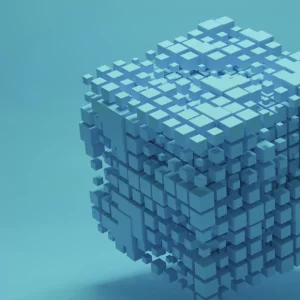
When most people hear the word “blockchain,” the first thing that comes to mind is Bitcoin. And while blockchain is the technology behind cryptocurrencies, its potential goes far beyond just digital money. At its core, blockchain is a secure, digital ledger that records information in “blocks.” Each block is linked to the previous one, forming a chain, which is why it’s called a blockchain. Once information is added, it’s permanent and transparent, meaning everyone in the network can verify it.
This makes blockchain perfect for applications where trust and transparency are important. For example:
- Supply Chains: Companies can track products from the factory to your doorstep, ensuring the items are authentic and haven’t been tampered with. Imagine scanning a code on your favorite sneaker and seeing its journey from the factory to the store.
- Digital Art and NFTs: Artists can sell digital art online as NFTs (non-fungible tokens), proving authenticity and ownership. This prevents copying or fake versions, giving artists more control over their work.
- Smart Contracts: These are self-executing agreements that run automatically when certain conditions are met. For example, a smart contract could release payment to a freelancer automatically once a project is delivered.
Blockchain isn’t perfect yet. Some systems use a lot of energy, and understanding them can be tricky. But as the technology improves, it could transform how we handle money, ownership, voting, health records, and even social media interactions. In short, blockchain is much more than Bitcoin—it’s a new way to create trust and transparency in a digital world.